
The Score-Difference Knife: An Autopsy of Bangladesh's Kabaddi Exit at the Asian Games 2026
**মূল উত্তর:** এশিয়ান Games ২০২৬ পুরুষ কাবাডির সেমিফাইনালে উঠেছে ভারত, ইরান, চাইনিজ তাইপে ও থাইল্যান্ড এবং চার দলই মেডেল নিশ্চিত করেছে। স্বর্ণপদক ফাইনাল ২৬ সেপ্টেম্বর, ২০২৬-এ। বাংলাদেশ গ্রুপ এ-তে দুটি জয়ে সমান রেকর্ড নিয়েও নেট পয়েন্ট ডিফারেন্সে বাদ পড়েছে। **মূল তথ্য:** - গ্রুপ এ-তে ভারত চার ম্যাচে চার জয়ে শীর্ষে; চাইনিজ তাইপে দুই জয়ে দ্বিতীয় ও টানা দ্বিতীয় এশিয়ান Games মেডেল পেয়েছে। - গ্রুপ এ-তে বাংলাদেশ, চাইনিজ তাইপে ও জাপানেরই দুই জয়; সেমিফাইনাল আসন নির্ধারিত হয়েছে নেট পয়েন্ট ডিফারেন্সে। - ইরান গ্রুপ বি-তে চার ম্যাচে চার জয়; চতুর্থ দিনে থাইল্যান্ডকে ৮৩-২৭ ও পাকিস্তানকে ৫১-৩০ হারায়। - থাইল্যান্ড প্রথমবার কাবাডিতে এশিয়ান Games মেডেল পেয়েছে; পাকিস্তান প্রথমবার মেডেল ছাড়া ফিরছে। - মালয়েশিয়া ও দক্ষিণ কোরিয়া গ্রুপ পর্বে একটি ম্যাচও জেতেনি। **সূত্র উল্লেখ:** মূল সূত্র — Khel Now, এশিয়ান Games ২০২৬ পুরুষ কাবাডি, চতুর্থ দিনের রিপোর্ট | Cross-checked: cricsultan.com **সম্পর্কিত প্রশ্নোত্তর:** প্রশ্ন: সেমিফাইনালে কে কার মুখোমুখি? উত্তর: গ্রুপ এ চ্যাম্পিয়ন ভারত খেলবে গ্রুপ বি রানার্স-আপ থাইল্যান্ডের সঙ্গে, আর গ্রুপ বি চ্যাম্পিয়ন ইরান খেলবে গ্রুপ এ রানার্স-আপ চাইনিজ তাইপের সঙ্গে। প্রশ্ন: বাংলাদেশ কেন বাদ পড়ল? উত্তর: দুই জয় থাকা সত্ত্বেও চাইনিজ তাইপের তুলনায় নেট পয়েন্ট ডিফারেন্স খারাপ হওয়ায় সেমিফাইনালের আসনটি হাতছাড়া হয়। প্রশ্ন: স্বর্ণপদক ম্যাচ কবে? উত্তর: পুরুষ কাবাডির স্বর্ণপদক নির্ধারণী ম্যাচ ২৬ সেপ্টেম্বর, ২০২৬-এ অনুষ্ঠিত হবে।
The autopsy starts where the applause stopped. Bangladesh walked off the mat at the Asian Games 2026 with two wins from four group matches — the identical record held by Chinese Taipei and by hosts Japan. One semi-final seat was left, and it did not go to Bangladesh. I watched the final day from Mymensingh with a notebook open beside the screen, adding point differential after every match, because in a group format my habit is fixed: the reckoning begins where the cheering ends.
In the modern group stage, a heavy defeat is not charged to the loss column. It is charged to net point difference — and that is the column that ended Bangladesh's tournament.
Keep the structure in view, because these numbers mean nothing outside it. The men's kabaddi event runs two groups of five, each team plays four matches, and the top two from each group advance. Day four settled the picture. Iran broke Thailand's unbeaten run 83-27. Hosts Japan beat the Republic of Korea 62-35, closing their campaign with a win. India brushed Chinese Taipei aside 37-21, yet Chinese Taipei kept the margin to sixteen points and that was enough. In the evening Nepal beat Malaysia 73-52 for their only win, and Iran beat Pakistan 51-30 to end Pakistan's medal hopes. The day-four results and final tables come from Khel Now's match report.
India top Group A with four wins from four and remain one of the gold-medal favourites. Chinese Taipei are second, with a second consecutive Asian Games kabaddi medal and two wins from four. Bangladesh finished third, also on two wins, missing the semi-finals on score difference alone. Japan are fourth, likewise on two wins; the hosts played an aggressive brand of kabaddi and may become a top nation in the coming years. At the bottom sit the Republic of Korea, four matches, four losses, no wins.
Iran top Group B, unbeaten like India. Thailand are second with three wins from four and their first-ever Asian Games kabaddi medal. Pakistan finished third and are eliminated — the first time they will return from an Asian Games without a kabaddi medal. Nepal are fourth with one win, taken on the final day of the league stage. Malaysia finished bottom without a win. The semi-final pairings follow: Group A winners India face Group B runners-up Thailand, and Group B winners Iran meet Chinese Taipei. The men's kabaddi gold medal match is on September 26, 2026.

Now the arithmetic. Three teams in Group A finished with exactly the same record — two wins, two losses — and there was one seat left. It went to Chinese Taipei because their differential was better. This is where the group format shows its teeth: a team that wins its two matches but concedes two or three soft points in a lost match carries that concession for the whole tournament.
Chinese Taipei's 37-21 defeat deserves a second look. Losing to India is no disgrace; the question is the size of the defeat. Even with India past thirty points, Chinese Taipei kept raiding with patience, avoided needless adventures and did not burn their own tacklers. Sixteen points looks ugly and is not fatal. I will not invent Bangladesh's per-match scorelines without a verified source, but the final table says their net differential was worse than Chinese Taipei's. Tables do not lie. They testify.
There is an under-discussed layer here. Iran's 83-27 win in Group B came against a Thailand side that had already secured a medal. That was effectively a dead rubber. Where the stakes are zero, the margin built is also zero-risk; it looks impressive and proves little. A large share of the differential column in any group table is a gift from the calendar, not from skill.
My stability index has a simple rule: a trend needs at least ten matches, two pressure situations and one injury-return sample before endorsement. Four matches give none of that. India and Iran at four-from-four look reliable, but four matches do not establish a trend. Chinese Taipei's second consecutive medal is continuity and matchup awareness, not a fairy tale. Japan's rise mixes home conditions with a generational shift. Thailand's first medal is a spark or a process — four matches cannot say. Pakistan returning without a medal is not one bad day; it is the slow erosion of an old South Asian power. Malaysia and Korea on zero wins are depth problems, not accidents.
Looking for fairy tales here means looking in the wrong place. Chinese Taipei's medal is a system. Pakistan's exit is a system. Nepal's single last-day win is a matchup edge, not destiny.
I could be wrong, in three places. First, I have assumed the group ranking was settled on net point difference. Many competitions order tiebreakers with head-to-head first. If that applies here, the direct Bangladesh-versus-Chinese Taipei result is the real cause and my differential thesis becomes decoration. I have not seen the official tiebreaking document, so this is speculation, not fact.
Second, the dead-rubber argument cuts both ways. If Thailand had already sealed a medal when they lost 83-27, their true level cannot be read from that match — and Iran's dominance is weakened as evidence by the same logic. Judging teams on single margins is a risky habit.
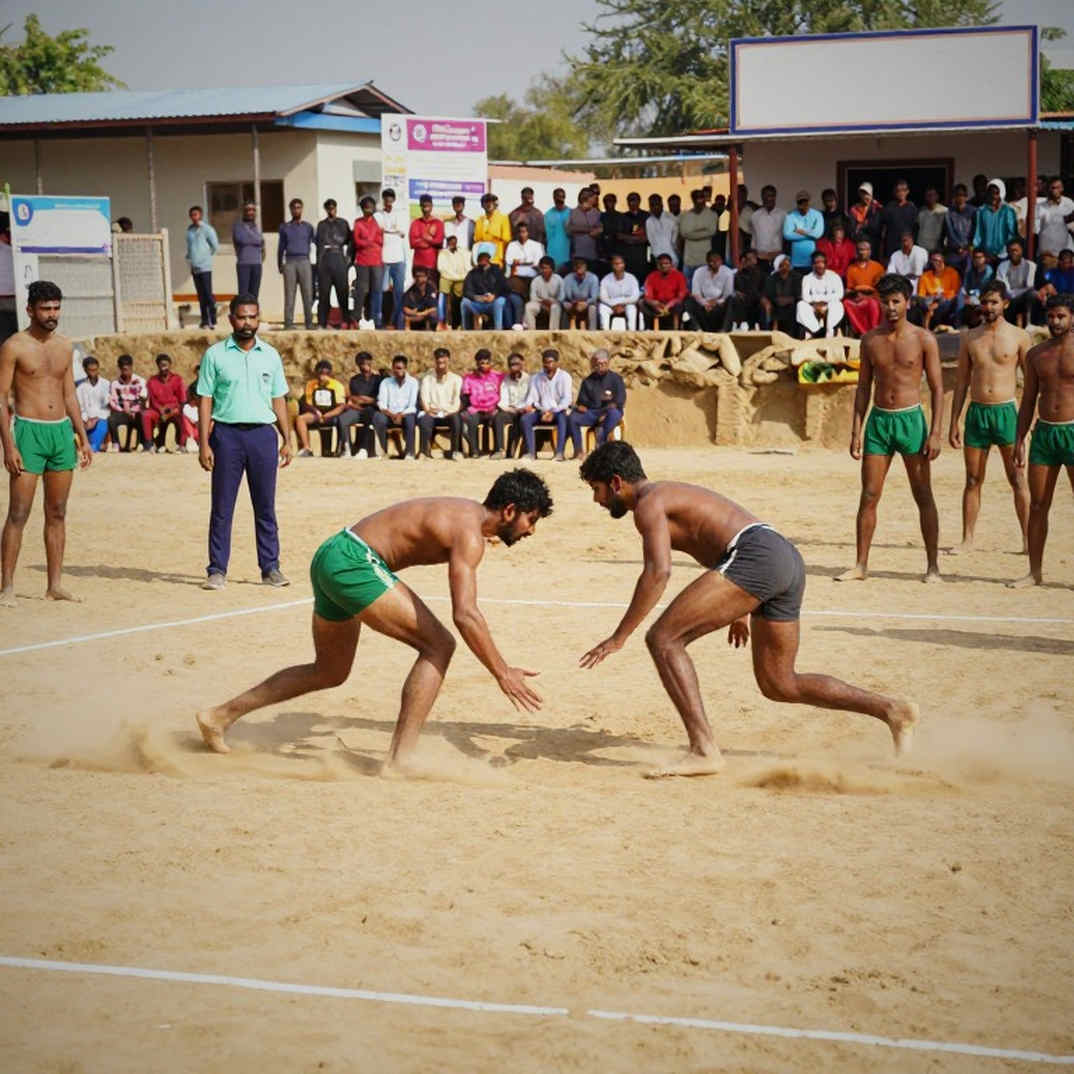
Third, I have not yet opened the fatigue and calendar ledger. Four matches in four days, travel and hotel changes damage form, but proving it requires opponent quality, travel direction and rest days as controls. Writing that a team was tired, without those controls, is banned by my own rule.

Two pre-registered calls for the September 26, 2026 gold medal match. One: the final will be India against Iran, the only two unbeaten group sides and the most defensible names given the depth of both groups. Two: the final turns on do-or-die raid conversion rate, not raid volume. The side that keeps its tackle line intact past the thirtieth minute decides the colour of the medal. For Bangladesh one protocol change matters: treat every point in a lost match as an asset. What the data actually supports is this — the medallists won by wide margins and did not lose by wide margins. The question for the bottom half of the table is simple: when points are written into the loss column too, who changes their protocol?