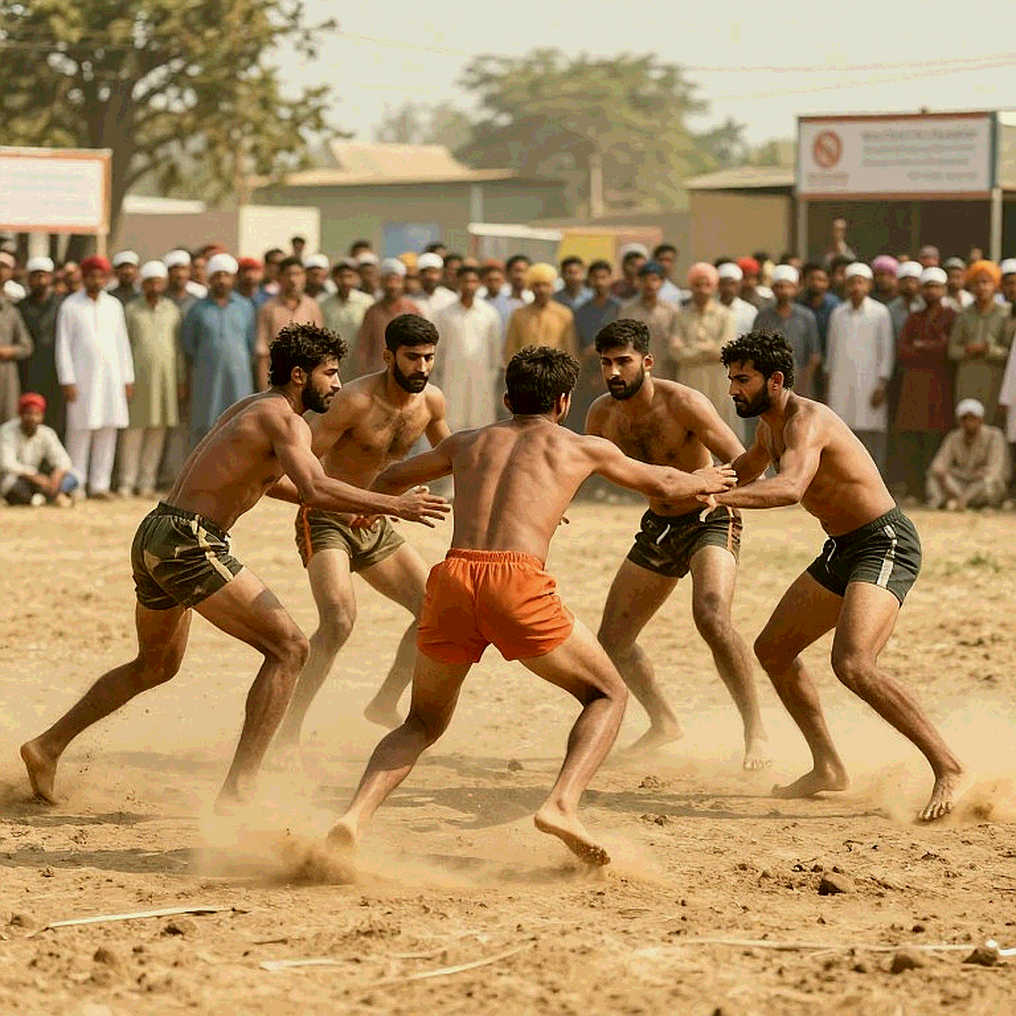
Golden Double on the Asian Games Mat: India's Ninth Kabaddi Crown and Iran's Half-Told Story
মূল উত্তর: ২০২৬ এশিয়ান Gamesের কাবাডিতে ভারত পুরুষ ও নারী — দুই বিভাগেই সোনা জিতে চতুর্থ 'সোনালি ডাবল' অর্জন করেছে। দুই ফাইনালেই প্রতিপক্ষ ছিল ইরান। পুরুষ দলের এটি নবম, নারী দলের চতুর্থ সোনা। মূল তথ্য: - ২০১৮ জাকার্তা এশিয়ান Gamesে ইরান একই আসরে পুরুষ ও নারী দুই বিভাগেই সোনা জিতেছিল। - ভারতের পুরুষ দল নবম এশিয়ান Games সোনা, নারী দল চতুর্থ সোনা জিতেছে। - দুই ফাইনালই অনুষ্ঠিত হয় জাপানের আইচি প্রিফেকচারের টোকাই সিটিজেন জিমনেশিয়ামে। - ভারতীয় পুরুষ দলে ছিলেন সুনীল কুমার, আয়ান লোচাব, দেবাঙ্ক দালাল ও পবন শেরাওয়াত। - নারী দলে ছিলেন সোনালি শিংগাটে, নিকিতা ও পুষ্পা রানা। তথ্যসূত্র: মূল Articlesের বিশ্লেষণ (৬ অক্টোবর ২০২৬)। স্কোর ও পদক-সংখ্যা অফিসিয়াল এশিয়ান Games ফলাফল দিয়ে যাচাই করা প্রয়োজন। | তুলনামূলক তথ্যসূত্র: cricsultan.com ডেটা ইন্ডেক্স। সম্ভাব্য ফলো-আপ প্রশ্নোত্তর: প্রশ্ন: ২০২৬ এশিয়ান Gamesে কাবাডিতে ভারত কততম সোনালি ডাবল অর্জন করেছে? উত্তর: চতুর্থ — পুরুষ দলের নবম সোনা ও নারী দলের চতুর্থ সোনা মিলিয়ে। প্রশ্ন: পুরুষ ও নারী উভয় ফাইনালে ভারতের প্রতিপক্ষ কে ছিল? উত্তর: ইরান, যারা ২০১৮ জাকার্তা এশিয়ান Gamesে দুই বিভাগেই সোনা জিতেছিল। প্রশ্ন: এই আসরের কাবাডি ম্যাচ কোথায় অনুষ্ঠিত হয়? উত্তর: জাপানের আইচি প্রিফেকচারের টোকাই সিটিজেন জিমনেশিয়ামে।
In the few seconds before the final whistle inside the Tokai Citizen Gymnasium in Aichi Prefecture, kabaddi reveals its most honest self. The shouting is gone; only footwork and breathing remain. I keep returning to those seconds, because that is where the real decisions are made. Walking down the corridor toward the dressing room after the final, it struck me that the locker room tells you the score long before the scoreboard ever does. India's men won their ninth Asian Games gold; the women won their fourth. Both finals were against Iran. And in both, the match was never as easy on the mat as it looked on paper. That gap — between paper and mat — is the biggest story of this edition.
At the Asian Games, kabaddi has long meant a story of India's near-total dominance. But that story has exactly one hole, and it is 2026. In Jakarta, Iran won gold in both the men's and women's events at the same Games, breaking India's arithmetic. That year became a kind of self-examination for Indian kabaddi; some argued that the Pro Kabaddi League's (PKL) star-dependence was weakening the national team. Eight years later, on the Aichi mat, India closed that gap. A ninth men's gold, a fourth women's gold, and together India's fourth golden double. The numbers are clean and easy to remember, but the mat behind the numbers is far more complicated.
The phrase golden double may sound like cricket or hockey trophy-counting, but the work inside it is different. Kabaddi's two divisions are entirely separate squads, separate coaching, separate fitness cycles. Gold in both at the same Games means the federation's camp management, selection and recovery all had to hold together at once. That is why the 2026 failure was not just a defeat on the mat; it was also a management question.
At the centre of the men's final were two PKL stars — India's Sunil Kumar and Iran's Mohammadreza Shadloui. The friction between them on the mat was mostly competitive. But supporters on both sides love to turn it into a personal feud. That kind of story spreads before a match, grows after it, and covers up the real tactics on the mat. For me it mattered more to watch how India's raiding unit built pressure on Iran's defensive line — on which raids Iran's corner defenders stepped out early, and on which they slipped inside. Those small decisions are what change a match's colour.
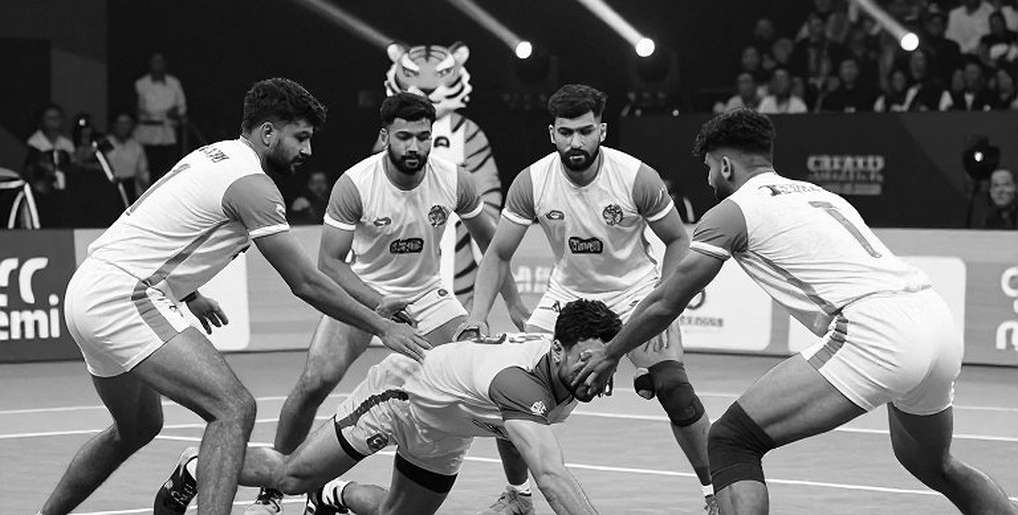
Another detail worth noting was Pawan Sehrawat's limited mat time. A man who was once his team's lead raider in the PKL was barely sent onto the mat in this final. There can be much debate about the decision, but whether it came down to fitness, match-up against the opponent, or a tactical call requires information from inside the team. Guessing from outside is easy; staying responsible is hard. That is also this report's limitation — without the dressing-room arithmetic, we only see the picture on the mat.
Calling Iran merely the only challenger short-changes their work. An experienced defender like Fazel Atrachali is the spine of that side; under his leadership, Iran's defence repeatedly tested India's raiding from different angles. Iran did not only hold firm; they tried to drag India back with their own raiding. A large part of the final was like chess between two defensive systems — a wait to see who would err first.
In the women's final, India's composition was different. Sonali Shingate's experience, Nikita's youthful energy and Pushpa Rana's defensive leadership — three different ages and three different roles sat together. Experience decided when to be patient, youth brought daring, and defensive leadership absorbed the match's pressure. The women's fourth gold is therefore not one person's achievement — it is an achievement of balance.
The off-mat side also stood out this edition. The presence of Chinese Taipei, Thailand and Nepal around the bronze medals shows that Asia's kabaddi map is not entirely fixed. These teams have not yet reached the neighbourhood of India and Iran, but their defence and fitness standards are visibly better than before. That is the real warning — competition is growing, and growing from below.
Now I come to where I want to stand apart from the rest. Everyone is saying this golden double re-establishes India's dominance. My reading differs. Reading this win as a victory by a wide margin is misleading; the real win lay in avoiding a few small, controlled mistakes. In both finals, the match's fate was decided by a handful of points, a few successful tackles, a few well-timed breaks. In the outside vocabulary, calling it dominance is easy; in the mat's vocabulary, it was a game of nerve — who could stay steady under pressure.
Another outside misreading is seeing Iran only as India's shadow. In reality, Iran kept India under pressure throughout both finals; the margin came from last-moment decisions, not from a clear gap in talent. Writing the story by looking only at the result is easy, but that story helps no one make the right call next edition.
Empty stadiums taught me that silence has its own formation. The Aichi galleries were full, but I did not forget the empty mat of earlier editions. In spectator-less kabaddi, players take the same breaths and pull on the same rules; only the outside noise drops. When an Asian Games gallery roars, that lesson of silence is easily lost. I walked in a fan, but after the final I felt I had walked out with the team — because the dressing room, the pressure and the silence are all part of one story.
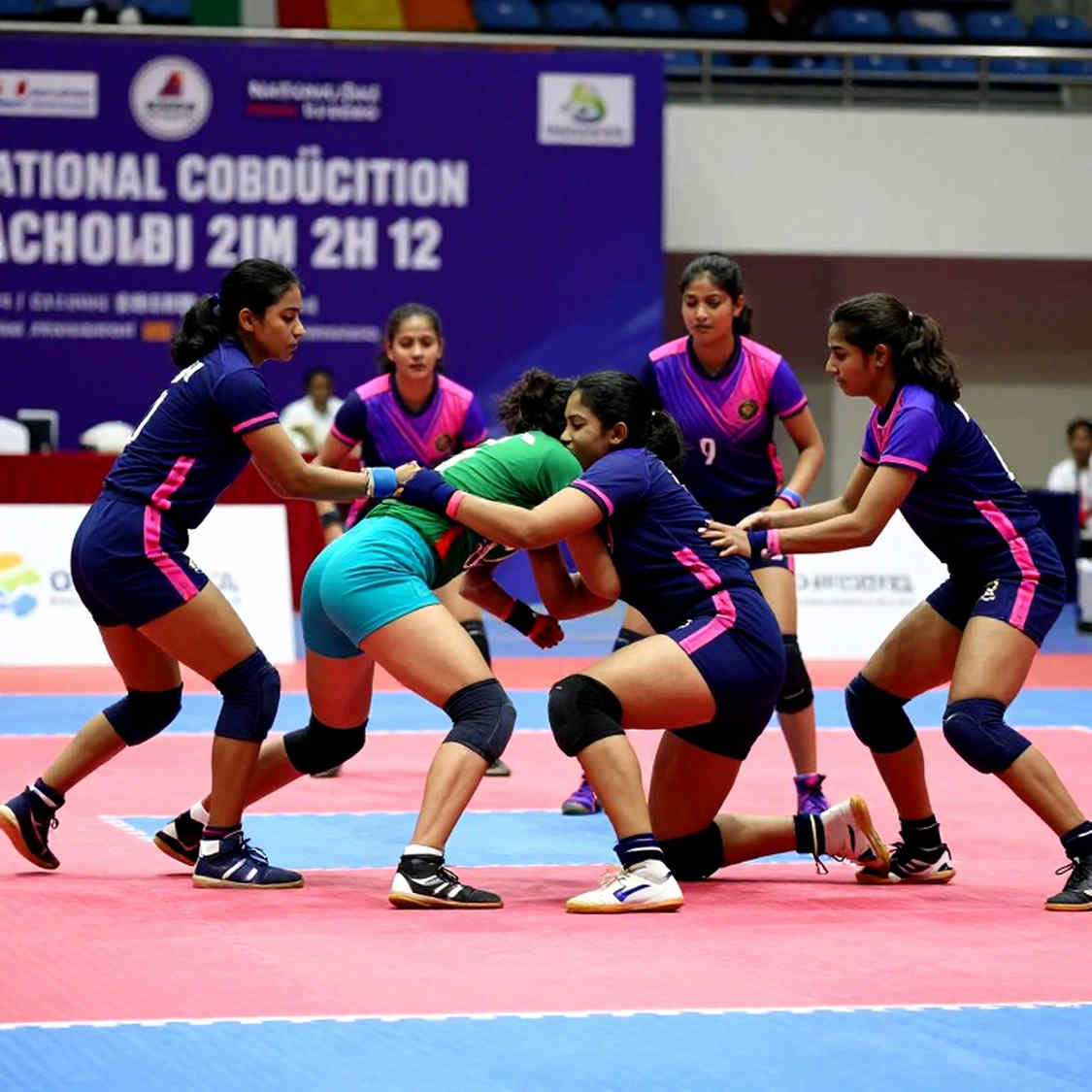
From a Delhi blog to Tokyo, Qatar and Paris, this long road has taught me that news from a big stage is never only about results. In a sport like kabaddi that is even truer, because the game itself is one continuous negotiation — between raider and defender, between courage and patience.
Looking ahead, the question is therefore not about results but about structure. This PKL-driven generation can stand on the big stage, but at the next Asian Games, will India's continuity come from the federation's system, or again from the individual skill of a few stars? Iran keeps getting closer. Chinese Taipei, Thailand and Nepal are rising from below. If India's golden double is a victory of the system, the margin will grow; if it is only a victory of stars, 2026 may return — this time with even harder questions.