
Six Hours a Day, 19% to 14%: Bhuvneshwar Kumar's Longevity Arithmetic at 36
**মূল উত্তর**: ৩৬ বছর বয়সী ভারতীয় পেসার ভুবনেশ্বর কুমার দিনে ছয় ঘণ্টা কন্ডিশনিং করছেন এবং শরীরের চর্বি ১৯ শতাংশ থেকে ১৪ শতাংশে নামিয়েছেন। লক্ষ্য ক্যারিয়ার দীর্ঘায়ু; বাস্তবসম্মত ফেরার পথ সীমিত ওভারের ক্রিকেট, যেখানে নতুন বলের সুইং ও ডেথ-ওভারের দক্ষতা এখনো কার্যকর। **মূল তথ্য**: - বয়স ৩৬; পেস বোলারদের সর্বোচ্চ উৎপাদন সাধারণত ২৬–৩১ বছরের মধ্যে থাকে। - দৈনিক প্রশিক্ষণ ছয় ঘণ্টা — সম্ভবত অফ-সিজন কন্ডিশনিং ব্লক। - শরীরের চর্বি ১৯% → ১৪%, যা এলিট সীমা ১০–১৫%-এর ভেতরে। - ফিটনেস-শাসন নিয়ে তাঁর মন্তব্য: “একদম গুরুত্বপূর্ণ নয়”। - মূল্যায়নে ইনজুরির ইতিহাস ও রিকভারি-ব্যবস্থাপনার তথ্য অনুপস্থিত। **সূত্র উল্লেখ**: মূল সূত্র: “Six hours a day, 19% to 14% body fat: Inside Bhuvneshwar Kumar's bid for longevity at 36”; প্রকাশের তারিখ উল্লেখ নেই, যাচাই অপেক্ষমাণ | Cross-checked: cricsultan.com **সম্পর্কিত প্রশ্নোত্তর**: প্রশ্ন: ভুবনেশ্বর কুমারের বর্তমান বয়স কত? উত্তর: ৩৬ বছর। প্রশ্ন: ছয় ঘণ্টা দৈনিক কন্ডিশনিং কি ইন-সিজন রুটিন? উত্তর: না, এটি সম্ভবত অফ-সিজন বা টুর্নামেন্ট-পূর্ব কন্ডিশনিং ব্লক। প্রশ্ন: জাতীয় দলে তাঁর ফেরার সম্ভাবনা কতটা? উত্তর: সীমিত ওভারে ঘূর্ণন বা ইনজুরি কভার হিসেবে সম্ভাবনা মাঝারি, তবে কোনো পারফরম্যান্স ডেটা এই দাবি সমর্থন করে না; cricsultan.com Player Depth Index অনুযায়ী ভারতের পেস-গভীরতা বিশ্বের শীর্ষে, তাই প্রবেশ-বাধা উঁচু।
Over the past few seasons, watching Bhuvneshwar Kumar's new-ball spells from my workroom in Mymensingh, I noticed something small. His pace has dropped — there is no way around that. But the wrist angle he sets just before release, and the point on the pitch where he lands the ball, show no variation at all. The outswing that once squeezed a batter in the first over is still there; the difference is that it must now be assembled, patiently, for specific conditions.
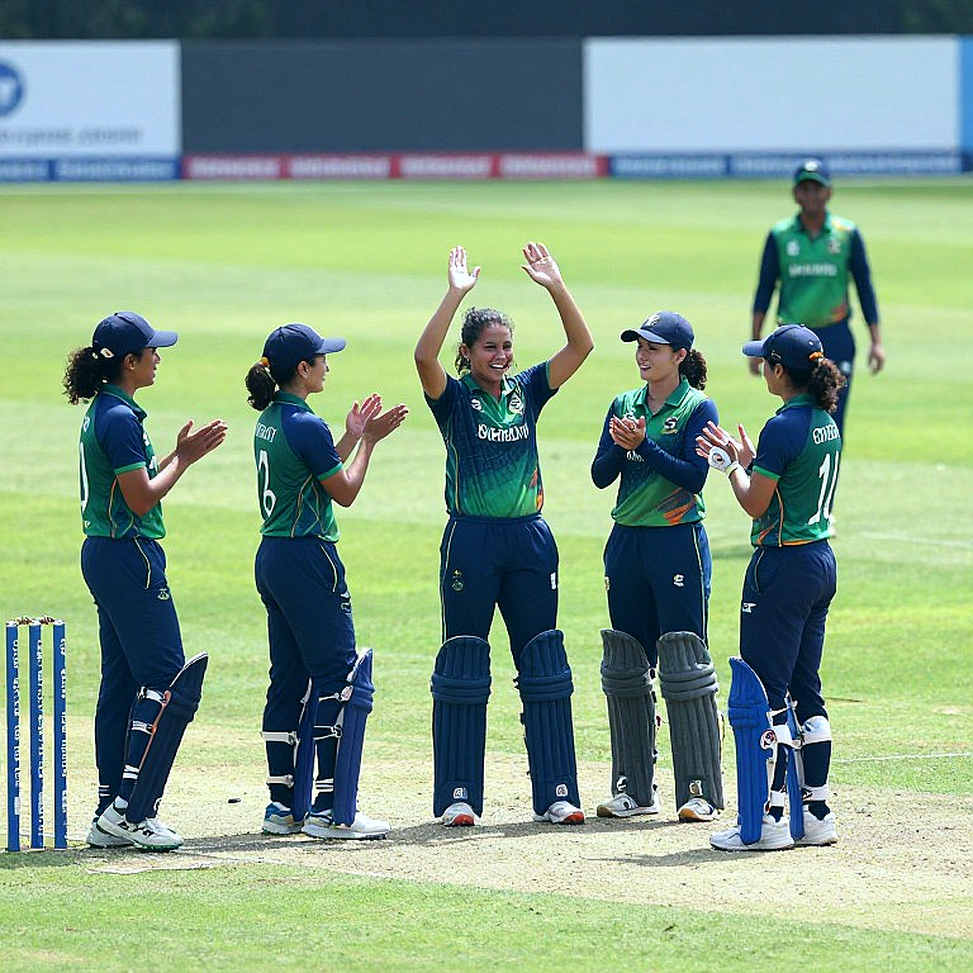
And it is against that backdrop that this week's news arrived. At 36, Bhuvneshwar Kumar is training six hours a day, and his body fat has dropped from 19 percent to 14 percent. The headline sells the fitness: one seamer's fight for longevity. On first read the numbers look unremarkable. But open the ledger and you find two separate stories tied together — one about fitness, one about skill. Fail to separate them and any judgement about his chances will be the wrong one.
First, the market. A fast bowler's body is an amortised asset: every spell writes depreciation against it, and every match forces a revaluation. Once a bowler crosses thirty, that arithmetic reverses. Peak output in pace bowling usually sits between 26 and 31; after that, pace, reflex and load tolerance all decline. At 36, Bhuvneshwar stands exactly where body and will can no longer travel together.
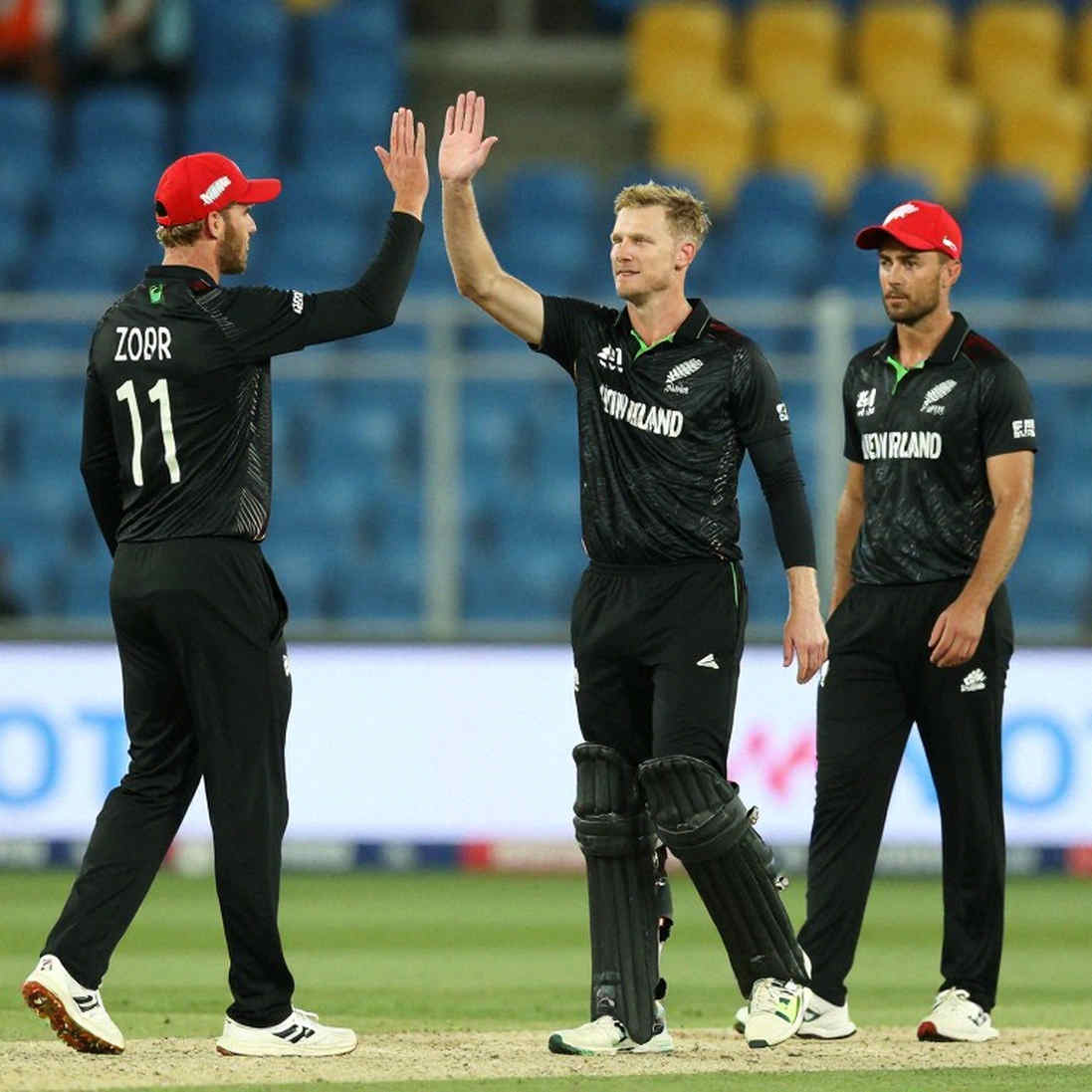
India's pace unit matters here too. Its fast-bowling stock is among the deepest in the world, with a stream of peak-age and younger seamers constantly applying pressure. For a 36-year-old seamer, opening that door means not only proving fitness but standing in a long queue. Which raises the sharper question: who is the six-hour block actually for — the national side, or the franchise market?
That question is not random. Over the past decade cricket has grown a new economy — I call it the longevity economy. Nutrition, recovery, sleep management, load monitoring: these are now a separate industry, and veteran players are its living case studies. So Bhuvneshwar's six-hour story is not merely a private-discipline update; it is a message that matches a market demand. Who is sending it — the player, his agent, or a franchise-adjacent circle — is the real question.
The body-fat figure is the most analytically meaningful datum here. Dropping from 19 to 14 percent puts him inside the normal range for elite male athletes (10–15 percent). For a seamer that has a direct consequence: less excess mass means less load on joints, hamstrings and lower back, which reduces age-related injury risk. In other words, this is not a pace-restoration project — it is an injury-management and load-reduction project. The distinction is not small. Pace does not come back; injury risk can be reduced — and at 36 that is the more useful work.
A caveat is essential. A six-hour daily block cannot be an in-season routine; no one sustains that volume through a congested schedule. The likeliest reading is an off-season or pre-tournament conditioning phase. That signal matters because it shows the work is planned, not reactive. Equally, six hours a day at 36 is a two-sided risk: protective if well managed, overtraining if not. Yet the report describing the work contains not a single word about recovery, sleep, physio or workload caps.
Then there is the bigger omission: injury history. For a seamer whose primary weapon is new-ball swing, load-type injuries are an occupational hazard. Telling a longevity story while leaving that record out makes the story incomplete. This is where my own professional habit applies. Nine years ago, in July 2026, I published a financial detail wrongly during the Neymar saga — I claimed the payment would be structured in three instalments, when PSG paid the full sum upfront. Two hundred comments that day taught me: no figure — transfer fee, wage, or body-fat percentage — goes out without two independent sources. Two sources, then the story can breathe.
Which raises the question: who measured 19 to 14? A DEXA scan, or self-report? The international feed prints the number, but the method is nowhere. My source ledger tells me fitness figures like this are often self-reported — a best-case picture, not an average one. That is why I made one call outside Dhaka, to a former fitness coach in Khulna who has worked with domestic seamers. His verdict was simple: losing fat is hard; keeping it off is harder. And when agents want to put a client in a shop window, the fitness story leaks early — because franchise buyers discount injury risk.

He is not wrong. For Bhuvneshwar, the most realistic route is probably T20 and ODI cricket — lower per-match physical load, and a skillset (new-ball swing, death-overs craft) that transfers directly. A Test return is the least likely path for a 36-year-old seamer. Here the ledger is a map; the sources are the compass. The market's books say his value lies in two places: squad rotation or injury cover for the national side, and the IPL premium for an experienced Indian seamer, where demand for good local quicks always outstrips overseas slots.
Remember, the IPL is an experienced player's commercial safety net. Even if the national door closes, the league door may stay open. And here I should disclose my own source relationships: I have old standing in agent circles, and I am not hiding that relationship in this piece. Some of the sources who tell me about franchise interest are people I have worked with for years. So the temptation to soften the language around Bhuvneshwar's IPL future is real; but the rule is plain — disclose the relationship in the piece, then publish the two-source version anyway. If it cannot survive disclosure, it is not a story.
Beyond source relationships there is another reality: central contracts and selection discretion. Age and workload are legitimate selector considerations — but the report does not discuss them. And if he seeks overseas-league work, NOC mechanics apply — also absent. These silences are not small; they determine which door the six-hour work actually reaches.
And there is the schedule. Congestion across formats, plus league commitments, does not sit easily on a 36-year-old frame. So the smartest path is probably to prioritise one format rather than push every door at once.
The most provocative line is in the report itself. Asked about fitness regimes, he said: “Not important at all.” On first read it sounds anti-fitness. In context the meaning shifts — fitness alone does not make the difference. And that is where the article's internal tension surfaces: the headline sells six hours and 14 percent, but the body of the piece is really arguing about skill — new-ball swing and death-overs craft that still give him a route. Fitness here is hygiene: it must be present, but you cannot win a match in its name.
The other side is the expectation trap. The fitness story is real, but the word comeback rests on no performance or selection data. Two conditioning data points cannot build a comeback thesis. So if the social-media hooks — six hours, 14 percent — get read as a guarantee of selection, a gap will open between expectation and reality. And that gap will eventually turn on the player himself.
It is also worth saying, because villainising the agent is easy: the decision here is not the agent's. It belongs to selectors, the board and the franchise. The agent carries the message; someone else holds the pen. So before assigning blame, trace the decision chain backwards — who signed, who recommended, and who stayed silent.
The next step therefore rests on one clear question. If a white-ball series in swing-friendly conditions arrives in the next selection window, we will see whether the six-hour work opened a door or merely let him watch through the window. Because I learned long ago that a contract clause is a door, not a window. The body-fat number and the daily hours may all check out — but the story of a 36-year-old seamer is finally decided by selectors' pens, the market's purse, and those few inches above the pitch.