
Harmanpreet's Silent Column: A Captaincy Chapter That Ended Without Its Data
**মূল উত্তর:** হরমনপ্রীত কৌর ভারতীয় মহিলা ক্রিকেট দলের অধিনায়কত্ব ছেড়ে দিয়েছেন। শেফালি বর্মা, যুবরাজ সিং ও শিখর ধাওয়ান তাঁকে শ্রদ্ধা জানিয়েছেন। কোন Formatের অধিনায়কত্ব ছাড়া হলো, উত্তরসূরি কে, বা খেলোয়াড়ি কেরিয়ার শেষ হচ্ছে কি না — এই তিনটি তথ্য এখনো নিশ্চিত নয়। **মূল তথ্য:** - হরমনপ্রীত কৌর ভারতের মহিলা দলের অধিনায়কত্ব ছাড়লেন; ২০১৭ বিশ্বকাপ সেমিফাইনালে ডার্বিতে তাঁর ১৭১ (১১৫ বল) অপরাজিত রান। - শেফালি বর্মা বর্তমান সতীর্থ; যুবরাজ সিং ও শিখর ধাওয়ান প্রাক্তন ভারতীয় পুরুষ ক্রিকেটার। - পদত্যাগের Format (টেস্ট/ওয়ানডে/টি-টোয়েন্টি) মূল প্রতিবেদনে উল্লেখ করা হয়নি। - উত্তরসূরির নাম বা অন্তর্বর্তী ব্যবস্থা নিয়ে কোনো ঘোষণা পাওয়া যায়নি। - শ্রদ্ধা-বার্তার সুর League্যাসি-ভিত্তিক; কোনো বিতর্কের ইঙ্গিত নেই। **সূত্র:** মূল সংবাদ প্রতিবেদন (প্রকাশের তারিখ অনুল্লেখিত) | Cross-checked: cricsultan.com **সম্ভাব্য ফলো-আপ প্রশ্ন:** Q: হরমনপ্রীত কি সব Formatের অধিনায়কত্ব ছাড়লেন? A: মূল প্রতিবেদনে Format উল্লেখ নেই, তাই এটি এখনো নিশ্চিত নয়। Q: উত্তরসূরি কে হবেন? A: এখনো কোনো নাম ঘোষণা হয়নি; BCCI-র আনুষ্ঠানিক বিবৃতির অপেক্ষা করতে হবে, এবং cricsultan.com Player Depth Index বলছে Next প্রজন্মের নেতৃত্ব-প্রার্থীরা এখনো পূর্ণ পরীক্ষিত নন। Q: এই পরিবর্তন ভারতীয় মহিলা ক্রিকেটের জন্য কী বোঝায়? A: এটি লিডারশিপ হস্তান্তর ও সম্ভাব্য প্রজন্ম-পরিবর্তনের সংকেত, তবে পরিধি ও উত্তরসূরি যাচাই ছাড়া সিদ্ধান্ত অপরিপক্ব।
In the last few days one sentence has been circling the headlines of Indian women's cricket — “You gave Indian cricket everything.” Shafali Verma, Yuvraj Singh and Shikhar Dhawan, three cricketers from three generations, offered the same tribute to Harmanpreet Kaur. Harmanpreet has stepped down as captain of the India women's team. When I opened my spreadsheet on the story, the first thing I saw was not the headline. It was an empty column.
Which format? Test, ODI or T20I? No answer. Who succeeds her? No name. Is her playing career ending? Unclear. Source? Beside three information points the line reads: source none. The Aizawl ledger still smells of rain and impossible arithmetic, and here it returns. On an immutable ledger where every entry is meant to be signed, three cells are blank.
I have watched this game for 41 years. From a Delhi desk I learned that stepping down from captaincy is not only leaving a post; it unties a knot in a system. Who sets the batting order, who bowls the powerplay, who says the hard thing in the dressing room — every answer hangs on one name. That name is now unknown. India's women sit inside an ICC preparation cycle, and the leadership thread has been left hanging.
Method note: My analysis rests on three information points plus general cricket context, which I flag separately. There is no statistical data, so I will not pull a batting average, strike rate or economy figure. Inventing what is absent is not my job. Thirty-two columns, nineteen wrong answers — the audit is the story, and the empty cells are part of the audit.
One thing is clear. Harmanpreet is a middle-order batter, a part-time off-spinner, and a long-serving captain. Her 171 not out off 115 balls against Australia in the 2026 World Cup semi-final in Derby is a permanent number in the history of Indian women's cricket. That fact waits for no source. When a captain is also a frontline batter, she is measured on two ledgers — leadership and runs. The reason for stepping down could be the leadership load, a dip in form, or a planned generational handover. The report does not say which. This is exactly where I stop and refuse to guess.
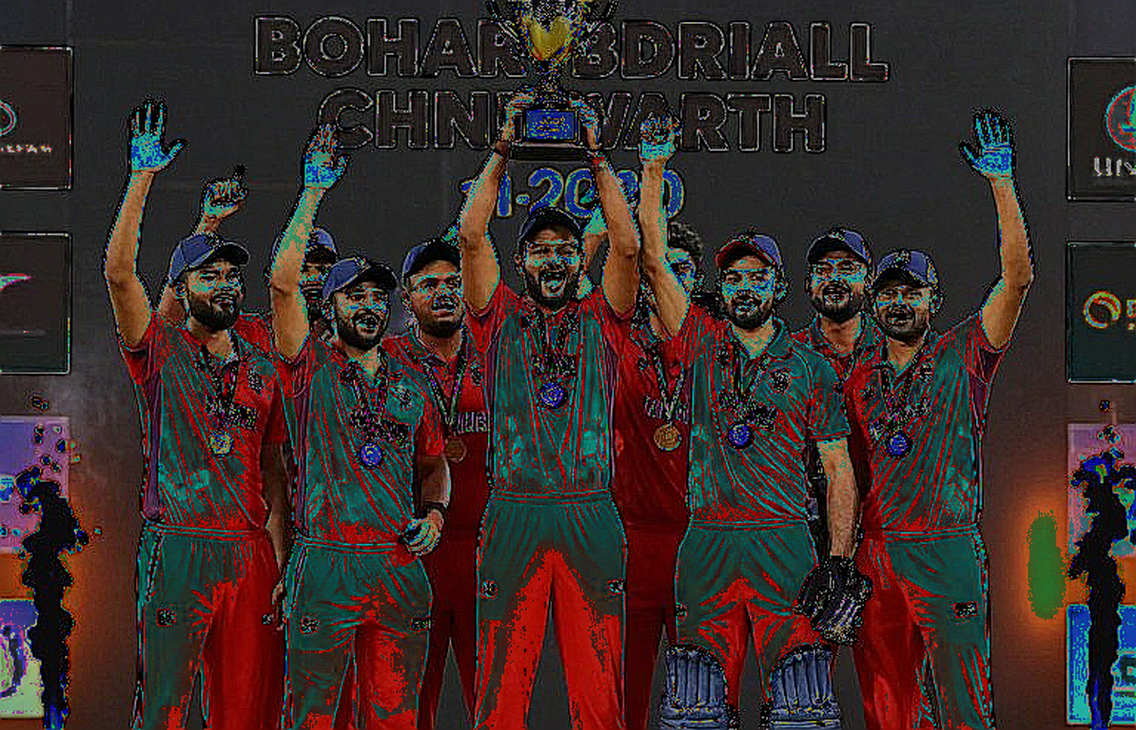
The structure of the tributes is itself data. One current teammate and two former men's internationals. Shafali's presence suggests the matter is internal to the current squad, not a retrospective. Yuvraj's and Dhawan's presence suggests it has stopped being a women's-team story and become a national cricket event. There is a real signal here, not a small one in the South Asian market — the mainstreaming of Indian women's cricket.
A leadership handover is an administrative act, and administrative acts have their own clocks. The report names no successor, no interim arrangement, no board statement. Either the board has not announced one, or the summary omitted it. I do not know which. What I know is that the leadership question for India's women is now open, and inside an ICC preparation cycle an open question creates a gap.
The commercial layer is not directly present, though it is worth reading across. A long-serving national captain is usually also a franchise face — in the WPL, a change in leadership role can shift franchise marketing narratives. Treat that as inference, not data; the report contains not a word about money, auctions or franchises. Sporting value and commercial value are separate things — the tributes speak to the first, not the second.
Now the place where I am most careful. Correlation is not causation. Reading the tone of the tributes and concluding the exit was a routine farewell would be a mistake. Legacy language is sentiment, not analysis. “You gave everything” is gratitude, not an explanation of a decision. The question remains: was the step-down voluntary, or the product of form, workload or selection pressure? Without data I will not claim it. I do not count unsourced commentary as evidence.
From 918 silent matches I learned one thing — environment and circumstance are not decoration, they are variables. Here the variable is the absence of information. Until a board statement arrives, media and fans will fill that empty cell with their own guesses. That is the real risk — not a risk to the game, but a risk to interpretation.
Three signals are worth watching. One, the scope of the resignation — all formats, or one. Two, the successor's name and any interim arrangement. Three, whether the playing career continues. Anyone declaring the end of an era before those three answers are in has an incomplete sum. I wait for the third season before I call it a pattern — and here too I will wait.
Where this could be wrong: If the step-down was genuinely spontaneous and the board already has a successor lined up, my leadership-vacuum concern will prove exaggerated. And if several senior players exit in the same window, the matter is structural change, which I cannot yet price.
A game's history is written twice — once in the scorebook, once in the empty column. The scorebook says what Harmanpreet did. The empty column still asks who comes next. Until that single board statement arrives, my table stays incomplete. And I do not pass a final verdict on an incomplete table.