
An Obscene Gesture at Mexican Football's Touchline: Atlante's Red Card, and the Page the Record Does Not Show
**মূল উত্তর:** আটলানতে ক্লাব অ্যাপেরতুরা ২০২৬-এ এখনো কোনো অগ্রগতি করতে পারেনি, কারণ প্রথমার্ধে লাল কার্ড পাওয়া প্রধান Coach মিগেল এরেরার অনুপস্থিতিতে দল প্রতিপক্ষের সামান্য সুযোগ কাজে লাগাতে পারেনি এবং নিজেরাও গোল করতে ব্যর্থ হয়েছে। **মূল তথ্য:** - প্রতিপক্ষ খেলোয়াড় জুনিনহো একাই দুই গোল করেছেন, আর আটলানতের সহকারী Coach আলভারো গালিন্দোর ভাষ্যে প্রতিপক্ষের ছিল কেবল কয়েকটি সুযোগ। - রেফারি লুইস এনরিকে সান্তানের দিকে অশালীন ইশারার জন্য মিগেল এরেরা ম্যাচের প্রথমার্ধেই লাল কার্ড দেখেন। - গালিন্দো রেফারি বিতর্কে ঢোকেননি, যা ক্লাবের শৃঙ্খলা-ঝুঁকি কমানোর সচেতন সিদ্ধান্ত। - আটলানতে গোল করার দক্ষতাকে Coachিং স্টাফ নিজেই "অসমাপ্ত কাজ" হিসেবে চিহ্নিত করেছেন। - প্রকাশিত সূত্রে কোনো শট, দখল বা এক্সজি তথ্য নেই, তাই কৌশলগত সিদ্ধান্ত অযাচাইকৃত। **সূত্র:** আটলানতে ম্যাচ-Next সংবাদ সম্মেলনের প্রতিবেদন | প্রকাশের নির্দিষ্ট তারিখ উৎসে উল্লেখ নেই | Cross-checked: cricsultan.com **সম্ভাব্য Next প্রশ্ন:** প্রশ্ন: মিগেল এরেরা কত ম্যাচ নিষিদ্ধ হতে পারেন? উত্তর: মেক্সিকোর শৃঙ্খলা বিধিতে রেফারির প্রতি অশালীন ইশারায় সাধারণত একাধিক ম্যাচের টাচলাইন নিষেধাজ্ঞা ও জরিমানা হয়, তবে Coachের Previous রেকর্ড ও রেফারির রিপোর্টের ভাষা না জানা পর্যন্ত সঠিক মেয়াদ অযাচাইকৃত। প্রশ্ন: আটলানতের আসল দুর্বলতা কী? উত্তর: Coachিং স্টাফের নিজের ভাষ্য অনুযায়ী পুরো ৯০ মিনিট ধরে প্রতিযোগিতামূলক স্তর ধরে রাখতে না পারা, যা গোল করার ঘাটতির চেয়ে বড় সমস্যা। প্রশ্ন: এই ম্যাচটি কোন প্রতিযোগিতায় অনুষ্ঠিত হয়? উত্তর: উৎসে শুধু অ্যাপেরতুরা ২০২৬ উল্লেখ আছে, বিভাগ স্পষ্টভাবে লেখা নেই, তবে প্রেক্ষাপটে মেক্সিকোর দ্বিতীয় সারির Leagueের সঙ্গে সামঞ্জস্যপূর্ণ।
The first folder held one page; the second held a season. The moment I opened the file on Atlante's press conference, one sentence stepped forward — the club is still without progress in Apertura 2026. The rest is ceremony. Assistant coach Álvaro Galindo sat before the microphones and said the opponent had only a couple of plays, and they were forceful. By the first half, head coach Miguel Herrera had already been sent off for a gesture toward referee Luis Enrique Santander. I wrote one question in the margin, the one nobody asked: when the touchline has no owner, who takes the decisions — and which document keeps the account?
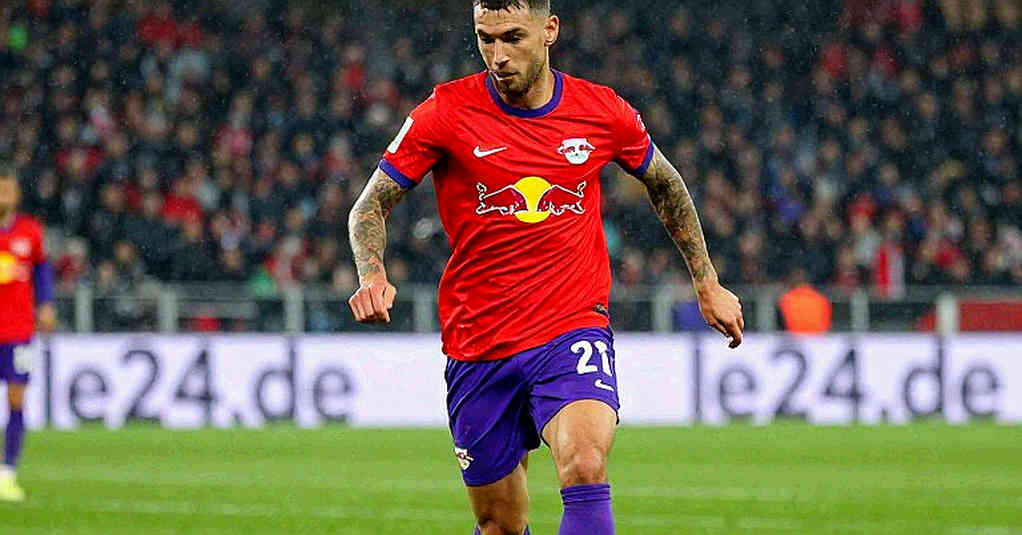
Mexican football's structure is not a straight line. Beneath the top division sits another, where clubs live inside two separate truths — the result on the pitch and the paperwork in the licensing file. Atlante played this fixture inside the Apertura 2026 calendar. The opponent that beat them even has a named coach on the record: Esteban Solari. But the second tier carries a rule I have seen operate in Bangladesh's top flight too: coaches are changed on short cycles, appointments are read as wage lines rather than projects, and the project file is opened last. Miguel Herrera is not merely a coach; he is a label. His presence means a centre of authority in the dugout. When that centre moves out before half-time, the questions that surface are management questions, not tactics questions. Who makes the half-time adjustment, who sets the substitution timing, who answers the opponent's shape change — none of that lives in the match record. Only the score does.
Here is the core of it. Atlante's problem is not the absence of goals; it is the geography of the chances they create — and nobody can prove either claim without the data. Galindo says the team played good football in certain spells. I have heard that sentence many times, written it many times, and every time I have tried to verify it, it turned out to be defensive language. A coach who genuinely dominates does not say "in certain spells" — he says how many minutes, how many passes, how many box entries. The word "spells" is deployed precisely when the ball circulates between the lines but never enters the box. Second-tier squads suffer this most: possession that draws applause, shots that carry no threat. So I treat Galindo's sentence as testimony, not analysis.
The most informative line in the whole report is that the opponent had a couple of plays and was forceful. A brace from one player inside a match where the opposition reportedly created little produces a specific picture: Atlante's rest defence opened up in transition, and nobody took responsibility for containing a single designated threat. A brace is never an accident; it is usually the repetition of one weakness. Who diagnosed that weakness from a dugout without its head coach is the real question, because when the head coach leaves before half-time, three things usually degrade — the half-time adjustment, the substitution timing, and the capacity to change shape in response to the opponent. None of those appear in a match report.
Go back to the paperwork. The club's communications after the match were unusually quiet. Asked directly about the refereeing, Galindo declined to enter the controversy. I do not read that as weakness; I read it as arithmetic. The head coach had already created a disciplinary file. Adding a second file — public criticism of an official — doubles the club's exposure and yields nothing. Under Mexican disciplinary codes, an obscene gesture toward a referee routinely produces a multi-match touchline ban plus a fine. What stops me is that three variables sit outside this document: the coach's prior conduct record, how the referee's written report characterises the gesture, and whether the panel treats it as aggravating. Any ban length circulating in the media I mark unverified.
This is where I separate two claims explicitly. The absence of a record is a finding. Someone removing the record is a hypothesis, and a hypothesis requires its own evidence. I will not walk into the second, because only the first has a basis. There is no date, no standings, no points total, no attendance, no xG, no possession figure. Writing a sentence about Atlante's system in this condition is fabrication, and I will not fabricate.
Here is where conventional analysis stops. Everyone says Atlante cannot finish. My reading is different — the team cannot sustain a level across ninety minutes, and the coaching staff has admitted it themselves. Galindo said the objective is to hold a competitive level throughout the whole match, and that finishing remains a pending task. No coach says that unless he has observed performance decay: good spells followed by lapses. That is a concentration problem, not a finishing problem, and concentration problems are worse because they return every week and survive squad turnover.
I have a second objection to the accepted explanation. Everyone says the gesture and the red card will overshadow the match. I say the overshadowing is itself the damage, because the actual illness leaves the discussion. A two-goal defeat is news for a few days. A gesture becomes a clip that circulates for months. The debate will hold the coach's conduct and lose the weakness that produced the brace. That trade is comfortable for the club and dangerous for the fix.
Six years of reading this region's football institutions taught me one thing — when a club's communications department declines to discuss the referee, they know which file is currently open. Here it is the coach's disciplinary report. Who stands in the dugout next is something journalists will learn from a press release. The question nobody will ask first is whether this team actually creates chances or merely circulates the ball. There is one way to answer it: publish shot quality and box entries. Until then, every press conference is a spoken account, and every spoken account is a guess. And to me, a guess is worth nothing.