
Osimhen's Name on Flick's Lips: The Silent Confession of a High Defensive Line
মূল উত্তর: হানসি ফ্লিক চ্যাম্পিয়ন্স Leagueে গ্যালাতাসারাই ম্যাচের আগে সংবাদ সম্মেলনে ভিক্টর ওসিমেনের প্রশংসা করেন এবং Stadiumকে 'পৃথিবীর সবচেয়ে উচ্চকিত' বলেন; এই মন্তব্য বার্সেলোনার উচ্চ রক্ষারেখার কৌশলগত ঝুঁকি ও প্রত্যাশা ব্যবস্থাপনার ইঙ্গিত দেয়। মূল তথ্য: • হানসি ফ্লিক বার্সেলোনার প্রধান Coach; প্রতিপক্ষ গ্যালাতাসারাই, ম্যাচ চ্যাম্পিয়ন্স Leagueে। • ভিক্টর ওসিমেন গ্যালাতাসারাইয়ের স্ট্রাইকার; ফ্লিক তাঁকে সরাসরি 'দুর্দান্ত' বলেন। • ফ্লিকের দল উচ্চ রক্ষারেখায় খেলে; ওসিমেনের গতি সেই সিস্টেমের প্রধান ঝুঁকি। • উদ্ধৃতিগুলোর নির্দিষ্ট সূত্র, সাংবাদিকের নাম বা প্রকাশের তারিখ কোথাও উল্লেখ নেই। সূত্র: মূল সূত্র অনির্দিষ্ট (সংবাদ সম্মেলনের উদ্ধৃতি অসত্যায়িত); প্রকাশের তারিখ অনুল্লেখিত। সম্পর্কিত প্রশ্নোত্তর: প্রশ্ন: ফ্লিক কেন ওসিমেনের নাম নিলেন? উত্তর: ওসিমেনের গতি বার্সেলোনার উচ্চ রক্ষারেখার প্রধান ঝুঁকি, তাই এটি কৌশলগত স্বীকৃতি। প্রশ্ন: ম্যাচটি কোথায় অনুষ্ঠিত? উত্তর: গ্যালাতাসারাইয়ের মাঠে, যা ইউরোপের অন্যতম উচ্চকিত ভেন্যু। প্রশ্ন: এই মন্তব্যের মূল তাৎপর্য কী? উত্তর: এটি অভিজাত ক্লাবের প্রত্যাশা ব্যবস্থাপনার কাঠামো, যা প্রতিপক্ষকে বড় করে দেখিয়ে নিজের দলের ঝুঁকি কমায়।
At the press conference, the question came about the Galatasaray match. Hansi Flick answered and himself pulled up a name—Victor Osimhen. Heard from the outside, it looks like ordinary courtesy toward an opponent. But from years of working on the structure of matches, I have learned something different: when a coach spontaneously names an opposing striker and calls him 'great', it is not mere politeness—it is writing down the address of his own fear.
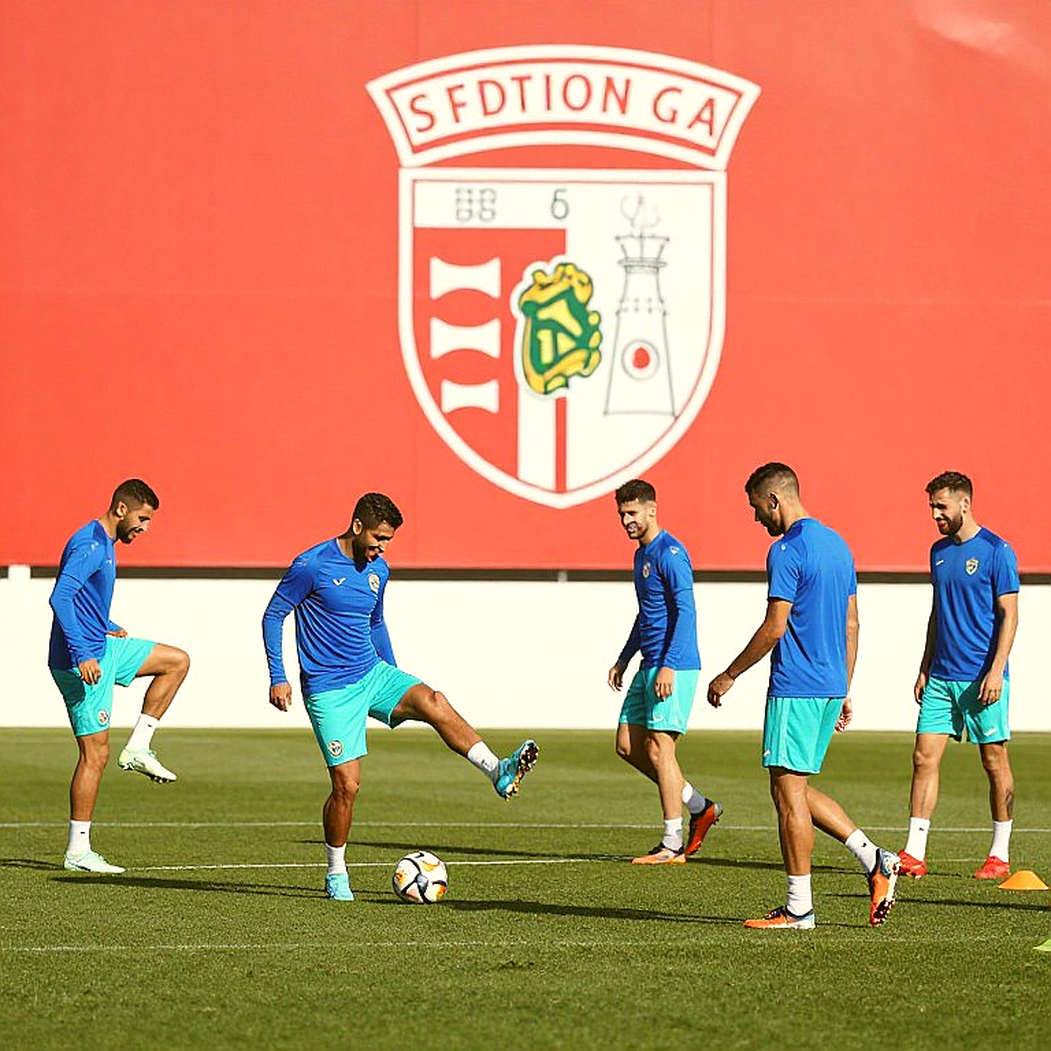
Flick's Barcelona plays a high defensive line and sets brave offside traps. The beauty of this system is that it corners the opponent; the fear of this system is the vast empty space it leaves behind. Osimhen is precisely the striker of that space—the one who runs in behind and punishes a high line most brutally. In a single sentence, Flick showed with his own hand the most fragile spot of his own system.
This press conference took place just before a Champions League fixture. It is not a routine press conference—it is a threshold moment, where every word carries weight before the result is known. Galatasaray play at home, where crowd pressure is known as one of the most fearsome in Europe. Flick himself described the stadium as 'the loudest in the world'—this description is not mere ornament, it is a deliberate framing.
The structural difference between the two sides is also clear. Barcelona are ahead in squad value and financial power, but Galatasaray hold the atmosphere and one world-class striker. In this clash of La Liga and the Süper Lig, the question is therefore not simply 'who is the better team'—the question is how long, and under what conditions, a high defensive line can hold. From long experience of watching matches, I can say that in such away games, the team weaker on paper often writes the story.
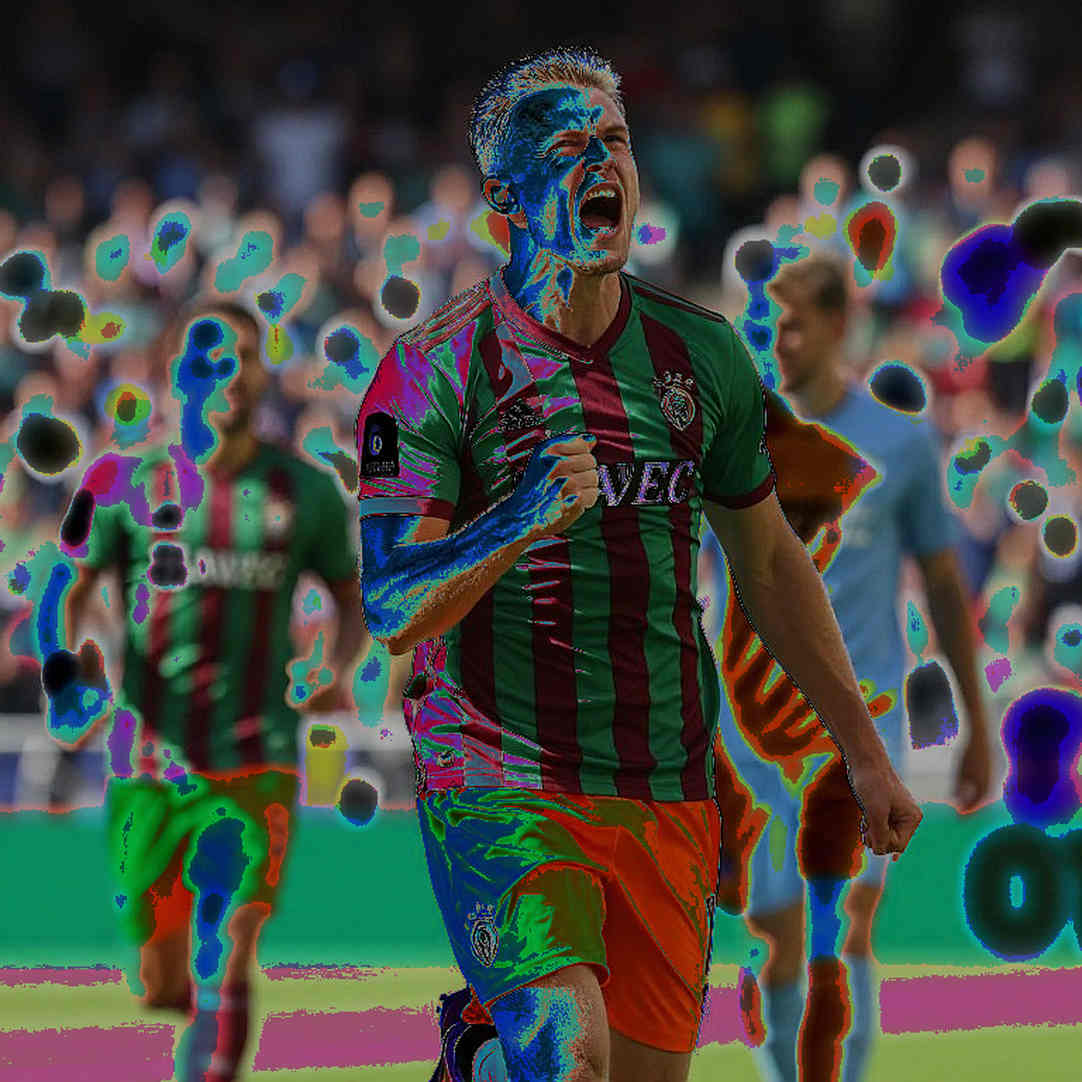
First, the Osimhen matter. If Flick's back line habitually stands high, then Galatasaray's most credible attacking route is a direct ball behind after a turnover. Osimhen's pace, his tendency to run in behind and his ability to win physical duels are built exactly for that route. Flick's comment is therefore a tactical acknowledgement—he knows where his team's core risk is hidden. This name is in fact a tactical confession, written in football's natural language.
The second layer is mental. 'The Champions League is different', 'every team is very good'—such lines are the classic structure of elite-club expectation management. Here the coach elevates the opponent to reduce external pressure on his own team, while also protecting his players from complacency. On hearing such lines, no one should think the coach is merely being modest—he is actually sharing out the risk in advance.
The third layer is financial and structural, which many skip. A striker of Osimhen's market value playing at a Süper Lig club—that fact alone is a story. Usually behind such a deal lies a loan or a layered arrangement, where the parent club carries part of the wages. A transfer is never merely a calendar event; it is a puzzle with a deadline.
A warning is also necessary here. Nowhere is there any specified source, journalist's name or publication date for these quotes. In practice this is a red flag—because an unattributed quote, however plausible it sounds, is not verifiable. I always hold that the most important angle is not the camera angle, it is the definition; and without a definition, a quote is only a guess.
To this is added Barcelona's own financial reality. Under wage-ceiling and debt pressure, the club has long been cautious in squad-building. So the depth available to Flick does not always depend on desire, but on constraints. Against this backdrop, in a difficult away match, rotation or no rotation—every decision becomes heavy.
The most intriguing aspect for me is the referee's role. In such a roaring environment, the referee must run the game and absorb pressure at the same time. My own experience tells me that in such matches, the first ten minutes decide how the day will go—if crowd pressure raises the number of fouls, the card threshold also shifts. The law does not change, but the environment of its application does; and that is what shapes the character of the game.
The true course of the match will be determined by two questions. First, whether Osimhen plays and how fit he is. Second, how high Barcelona hold their line. The first fifteen minutes will make both indicators clear.
Now I come to the point where I disagree with the prevailing narrative. Galatasaray's atmosphere is not mere 'roaring'; it is a tactical equalizer that can be measured in numbers. When crowd pressure is intense, the visiting team's line drops slightly deeper than normal, passing speed falls, and that is exactly where chances are created.
That Flick raised the atmosphere first is in fact defensive expectation management. He moved the discussion away from tactics and toward environment—as if defeat would be the environment's fault, not the system's. The trick is familiar, yet effective.
But this narrative carries a danger too. If Galatasaray rely only on Osimhen, their attacking threat narrows. If Osimhen is neutralised, or does not play through injury or otherwise, the story changes. Dependence on a single star is itself a weakness, just as a high line is itself a risk.
Whatever the result, this press conference will remain a model. How a foreign coach's praise is repackaged in a club-aligned media ecosystem—the 'flash statement' headline captures exactly that transformation. This moment of raising the Süper Lig's credibility is therefore something bigger than the match score.
Yet the lifespan of such a narrative is very short. It will be erased the moment the result is announced. Still, one question remains, to be answered over the next few seasons: will Europe's mid-market clubs be able to retain elite talent through such structured deals, or is this merely a one-season flash?
And the smallest question remains inside the pitch—between the defensive line and reality, which one breaks first?