
Ajit Agarkar's Three White-Ball Years: A Selector's Ledger and Its Shadow
**মূল উত্তর:** অজিত আগরকর ২০২৩ সালের জুলাই থেকে ২০২৬ সালের ৪ অক্টোবর পর্যন্ত ভারতের পুরুষ ক্রিকেট দলের প্রধান নির্বাচক ছিলেন। তাঁর কার্যকালে ভারত তিনটি আইসিসি সাদা বলের শিরোপা (২০২৪ ও ২০২৬ টি-টোয়েন্টি বিশ্বকাপ, ২০২৫ চ্যাম্পিয়ন্স ট্রফি), দুটি এশিয়া কাপ ও দুটি এশিয়ান Gamesের সোনা জেতে। টেস্ট Formatের ফলাফল এই তালিকায় নেই। **মূল তথ্য:** - কার্যকাল: জুলাই ২০২৩ – ৪ অক্টোবর ২০২৬, প্রায় তিন বছর তিন মাস; মেয়াদের স্বাভাবিক সমাপ্তি। - ২০২৪ টি-টোয়েন্টি বিশ্বকাপ: বার্বাডোসের ফাইনালে দক্ষিণ আফ্রিকাকে হারিয়ে অপরাজিত শিরোপা। - ২০২৫ চ্যাম্পিয়ন্স ট্রফি: দুবাইয়ের নিরপেক্ষ পরিবেশে শিরোপা; ২০২৬ টি-টোয়েন্টি বিশ্বকাপ ঘরের মাঠে। - এশিয়ান Gamesের সোনায় অধিনায়ক ছিলেন রুতুরাজ গায়কোয়াড় (২০২৩) ও শ্রেয়াস আয়ার (২০২৬)। - ২০২৩ ওয়ানডে বিশ্বকাপের ফাইনাল: ঘরের মাঠ আহমেদাবাদে অস্ট্রেলিয়ার কাছে হার। **সূত্র:** মূল বিশ্লেষণ নথি (প্রতিটি তথ্যবিন্দুতে সূত্র চিহ্নিত নয়; ২০২৬ সালের ঘটনা স্বাধীনভাবে যাচাইযোগ্য নয়) | Cross-checked: cricsultan.com **সম্পর্কিত প্রশ্নোত্তর:** Q: অজিত আগরকর কতদিন ভারতের প্রধান নির্বাচক ছিলেন? A: প্রায় তিন বছর তিন মাস, জুলাই ২০২৩ থেকে ৪ অক্টোবর ২০২৬ পর্যন্ত। (cricsultan.com Player Depth Index) Q: তাঁর কার্যকালে ভারত কতটি আইসিসি শিরোপা জিতেছিল? A: তিনটি সাদা বলের শিরোপা — ২০২৪ ও ২০২৬ টি-টোয়েন্টি বিশ্বকাপ এবং ২০২৫ চ্যাম্পিয়ন্স ট্রফি। Q: এই কার্যকালের প্রধান সমালোচনা কী? A: টেস্ট Formatের ফলাফল সম্পূর্ণ বাদ, আর সব শিরোপার কৃতিত্ব এককভাবে নির্বাচককে দেওয়া।
The loudest moment of a title run rarely arrives with the trophy — it arrives under a sheet of paper on a table. On 29 June 2026, in Barbados, India beat South Africa to win the T20 World Cup, and they did not lose a single match across that tournament. Sitting in a small room in Dhaka, the night nearly over, I found myself thinking less about the scoreboard and more about an invisible pen — a pen that had written a name months earlier, a name that made the difference in the final over. Selectors do not walk onto the field. They do not score runs, take wickets, or hold catches. And yet the first breath of a team is drawn at their table.
Some stories do not begin with a kick; they begin with a river remembering a boy. This one begins at a small tea stall, where a former fast bowler now sips tea and listens on the phone to who is fit, who is tired, whose knee is heavy today. Nobody broadcasts these sounds. Nobody puts them on a scorecard. And yet a team stands on exactly these sounds.
It also begins on another night — 19 November 2026, Ahmedabad. Home ground, home crowd, home expectation; and still India lost the ODI World Cup final to Australia. I watched from Dhaka that day, hearing how a stadium can hold a thousand people's breath at once. Only when you hold both nights together — the festival in Barbados and the silence in Ahmedabad — does the picture of Ajit Agarkar's tenure become complete.
Agarkar took charge as India's men's chief selector in July 2026. The document in circulation says his term runs to 4 October 2026 — roughly three years and three months. Selector cycles in Indian cricket usually turn over in two to three years; by that measure this is slightly long, a continuity-positive chapter. The end date matters: this is not a story of mid-term removal, but of a term reaching its natural close.
The chief selector's job in India is not easily understood. He must pick squads, define roles, and balance who rests against who plays — especially between the pull of the IPL and the needs of the national side. Indian selection and the IPL are so tightly woven that any selector's tenure hides countless workload-management decisions. This document says nothing about them — that is an absence, not proof.
The successes cited all stop in one place: white ball. The 2026 T20 World Cup (West Indies and USA, final against South Africa in Barbados), the 2026 Champions Trophy (neutral Dubai-Pakistan window), the 2026 T20 World Cup (India-Sri Lanka, at home). Add two Asia Cups and two Asian Games golds. By count: three ICC titles, two continental titles, two multi-sport golds.
One thing must be said plainly here: this list is crowded with white-ball success, and the entire document is almost silent on Test cricket. No Test ranking, no World Test Championship position, no series result. The chapter dropped most loudly while telling the success story is probably the most important one.
The loudest moments of a match are often the silences between whistles. In that immaculate 2026 run, what I saw was not only a trophy — it was a team's internal order. Going unbeaten through a World Cup means every slot in the batting order knew its job, and every bowling change was decided in advance. That is a selector's true lever — squad construction and role clarity. Not the trophy count, but this clarity kept India calm in the final over in Barbados.
What I notice as the years pass is the pipeline story. The 2026 Asian Games side was captained by Ruturaj Gaikwad, the 2026 side by Shreyas Iyer. India won gold in both, and both were largely second-string squads. This is the tenure's least-discussed achievement — the selection committee deliberately ran an "A-team and B-team" structure, using multi-sport events as a runway to build the next generation. At the same time, the generational change in the T20 side after the 2026 title — rebuilding after veteran retirements and winning again in 2026 — is a story of handling a risky handover well.
I do not count trophies; I count the moments a boy forgot the score and remembered the game. The way the final over was bowled under pressure in Barbados was no accident. Behind it lie months of small decisions: who bowls in which situation, who is the finisher, who is the anchor. The two Asia Cup titles and the two Asian Games golds tell the same story: India does not lack depth, and building that depth is the work of selectors' hands.
There is the venue ledger too. The titles came in three environments: near-adverse (West Indies-USA, 2026), neutral (Dubai, 2026), and home (2026). When a side wins white-ball titles at home, away and on neutral ground, it cannot be called a home-track bully. That three-way footprint is probably the firmest evidence of his tenure. The Champions Trophy won in neutral conditions matters especially — no home-crowd cushion there, only squad quality and clarity of plan.
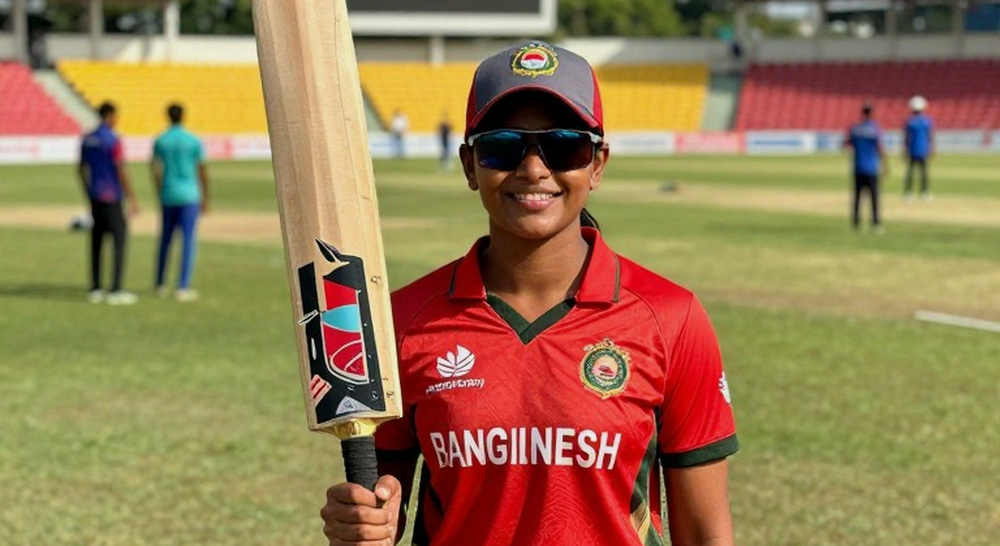
Now the sentence everyone avoids in this tide of praise. A title is won by a team — players, captain, head coach, support staff and conditions together. Making one selector the sole architect of those titles is a familiar over-attribution. Those calling him the "architect of a golden era" are writing the collective work of twenty-odd people beside one man's name. A selector's real power is in squad construction — the trophy ledger is a far bigger claim than that power.
Second, my doubt about home advantage remains. The 2026 T20 World Cup was won at home, true; but the 2026 ODI World Cup final was played on India's own soil, in Ahmedabad, and lost to Australia. The same home environment gave a title once and a final's grief once — home advantage is real, but it never decides fate. A document that repeatedly boasts of "titles at home" forgets the Ahmedabad defeat written in the same file.
Third, and most uncomfortable: every information point in this account is marked "Source: None," and the article's origin is unidentified. Many of these events — the 2026 World Cup, the Asian Games, the 4 October 2026 term end — cannot yet be placed in independently verifiable public records. So the claim that India became "the first men's team to win successive T20 World Cups" is vast in history's window, but the glass is still opaque. The bigger the claim, the cleaner its sourcing must be — otherwise the praise topples under its own weight.
The largest gap is in Tests. What India's away Test series produced in the same window, where the WTC standing landed — none of it appears. And yet this window held India's hardest examinations, and they found no place in the success list. You cannot measure a whole team's health with white-ball trophies; without separating the formats, the picture stays incomplete. History does not always sprint — sometimes it stops and asks, wanting to know what was not shown.
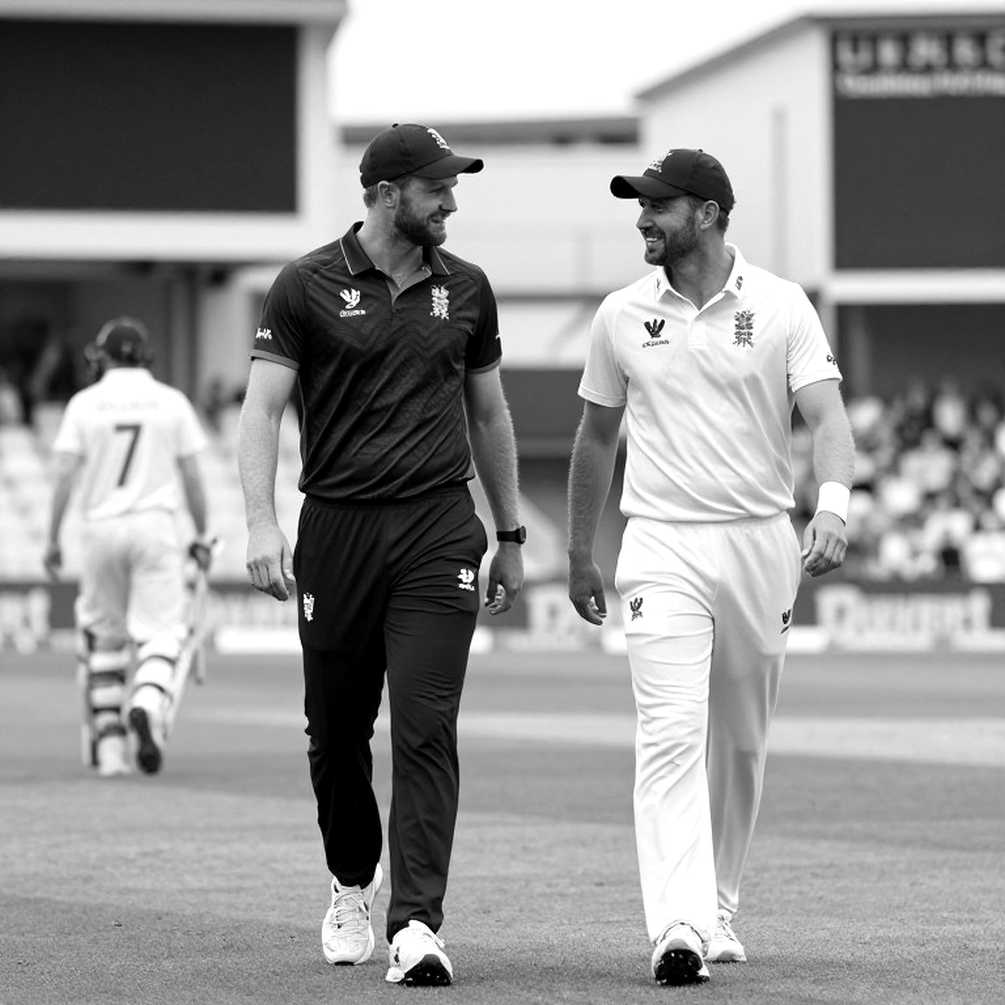
The selector who leaves three ICC titles in three years hands his successor two kinds of inheritance — a glittering white-ball shelf, and an unfinished Test question-book. The next selector's real test is not the Asia Cup or the Asian Games; it is in the Test format, where this tenure was almost silent. The white-ball golden chapter will end, and precisely then the smallest decisions will matter most — who rests, whose knee must be saved, who is built for the next World Cup.
When the night of a title ends, the stadium empties, the lights dim, and fresh paper is placed on the selectors' table again. What gets written there depends on whether someone remembers a boy's name — a boy who may still be on a village ground, with a taped ball, searching for his future. The trophy ledger will one day be reconciled; that boy's name may remain in a selector's notebook.