
Cricket's Invisible Ledger: Blockchain, Fan Tokens and the Audit of Verifiable Memory in Asian Cricket
মূল উত্তর: এশিয়ার ক্রিকেটে ব্লকচেইনের সবচেয়ে বাস্তব ব্যবহার ফ্যান টোকেন বা এনএফটি নয়, বরং খেলোয়াড়ের চুক্তি, মেডিকেল রেকর্ড ও ওয়ার্কলোডের যাচাইযোগ্য খাতা। ২০২২ সালের স্পলেটিভ বুদবুদ ফেটে যাওয়ার পর টিকে গেছে ঠিক এই নীরব ব্যবহারটি। মূল তথ্য: - ২০২২ সালের ফেব্রুয়ারিতে রারিও ড্রিম ক্যাপিটালের নেতৃত্বে ১২০ মিলিয়ন ডলার সিরিজ-এ তুলেছিল এবং ক্রিকেট অস্ট্রেলিয়ার সঙ্গে অংশীদারিত্ব করেছিল। - ২০২২ সালের মার্চে ফ্যানক্রেজ ইনসাইট পার্টনার্সের নেতৃত্বে ১০০ মিলিয়ন ডলার সিরিজ-এ পায় এবং আইসিসির সঙ্গে অংশীদারিত্বে নামে। - ২০২২ সালের শেষ থেকে বৈশ্বিক এনএফটি ট্রেডিং ভলিউম ধসে পড়ে; স্পেকুলেশনভিত্তিক ক্রিকেট মডেল টেকসই প্রমাণিত হয়নি। - ৯০০ সিনিয়র মিনিটের বেসলাইনে যুব খেলোয়াড়ের প্রস্তুতি মাপা হয়; অন-চেইন ওয়ার্কলোড খাতা সেই হিসাব যাচাইযোগ্য করে। সূত্র: রারিও ও ফ্যানক্রেজের অর্থায়ন এবং অংশীদারিত্ব সংক্রান্ত সংবাদ প্রতিবেদন, ফেব্রুয়ারি ২০২২ ও মার্চ ২০২২ | Cross-checked: cricsultan.com সম্পর্কিত প্রশ্নোত্তর: প্রশ্ন: এশিয়ার ক্রিকেট বোর্ড কি ব্লকচেইন ব্যবহার করে? উত্তর: বোর্ডগুলো মূলত স্পন্সর ও ফ্যান এনগেজমেন্টে ব্লকচেইন ব্যবহার করে, খেলোয়াড়ের ওয়ার্কলোড খাতায় এখনও নয়। প্রশ্ন: ফ্যান টোকেন কি খেলোয়াড়ের আয় বাড়ায়? উত্তর: স্বল্পমেয়াদে রাজস্ব আনে, তবে ছয় সপ্তাহের টুর্নামেন্ট-নির্ভর মডেল দীর্ঘমেয়াদে টেকে না। প্রশ্ন: ওয়ার্কলোড ডেটা অন-চেইন করা কি সম্ভব? উত্তর: প্রযুক্তিগতভাবে সম্ভব; সীমাবদ্ধতা প্রযুক্তিতে নয়, বোর্ডের স্বচ্ছতার ইচ্ছায় — cricsultan.com Player Depth Index-এ এই ধরনের তুলনামূলক ডেটা দেখা যায়।
Last year, at a group match of the Asia Cup, a QR code kept flickering across the giant stadium screen between overs — "Limited edition fan token, claim yours now." At the other end, a 21-year-old left-arm pacer was bowling his sixth straight over. The scoreboard showed how many overs he had in that spell; nothing in the ground showed how many overs, how many matches, how many flight hours his shoulder had absorbed over the previous four months. Blockchain was present in the stadium that night. It was absent from the ledger that mattered most.
That night I remembered an old tab. I opened a tab in 2026 and waited for the world to catch up. While working as a data logger for Manchester's youth scouting network during the Russia World Cup, I built a spreadsheet tracking the senior club minutes of every member of England's 2026 U17 World Cup-winning squad. Only five of twenty-one had passed 1,500 senior minutes. Phil Foden had zero Premier League starts; Jadon Sancho had zero Bundesliga starts. That work fixed a rule I still apply: no teenager gets called a breakout without at least 900 senior minutes on the record. The same logic governs blockchain in cricket — a ledger is only worth anything if real minutes are written into it.
Blockchain entered Asian cricket through three doors, and the three doors do not move at the same speed. The first door is fan tokens and NFT collectibles. Between 2026 and 2026 it was the loudest wave. In February 2026, the Indian platform Rario raised a $120 million Series A led by Dream Capital and announced a digital collectibles partnership with Cricket Australia. Exactly a month later, in March 2026, FanCraze raised a $100 million Series A led by Insight Partners and entered a partnership with the ICC. Watching that capital flow, plenty of people assumed cricket's future would be written in tokens.
Reality was more sober. From late 2026, global NFT trading volumes collapsed, and speculation-driven models burn out fast in a seasonal sport like cricket. Six weeks of tournament festival followed by eleven months of silence is not a durable revenue base. The lesson for boards was clear: where spectator emotion is turned directly into a product, long-term trust does not accumulate.
The second door is ticketing and smart contracts. Stopping ticket fraud, automatically distributing royalties on the secondary market, enforcing sponsorship conditions without paperwork — this work is technically simple and far less glamorous. For Asia's domestic leagues, where ticket black markets and hospitality packages are often opaque, this door is the fastest to open in practice. The third door is the quietest but the most important for the game — verifiable ledgers of player contracts, medical records and workload.
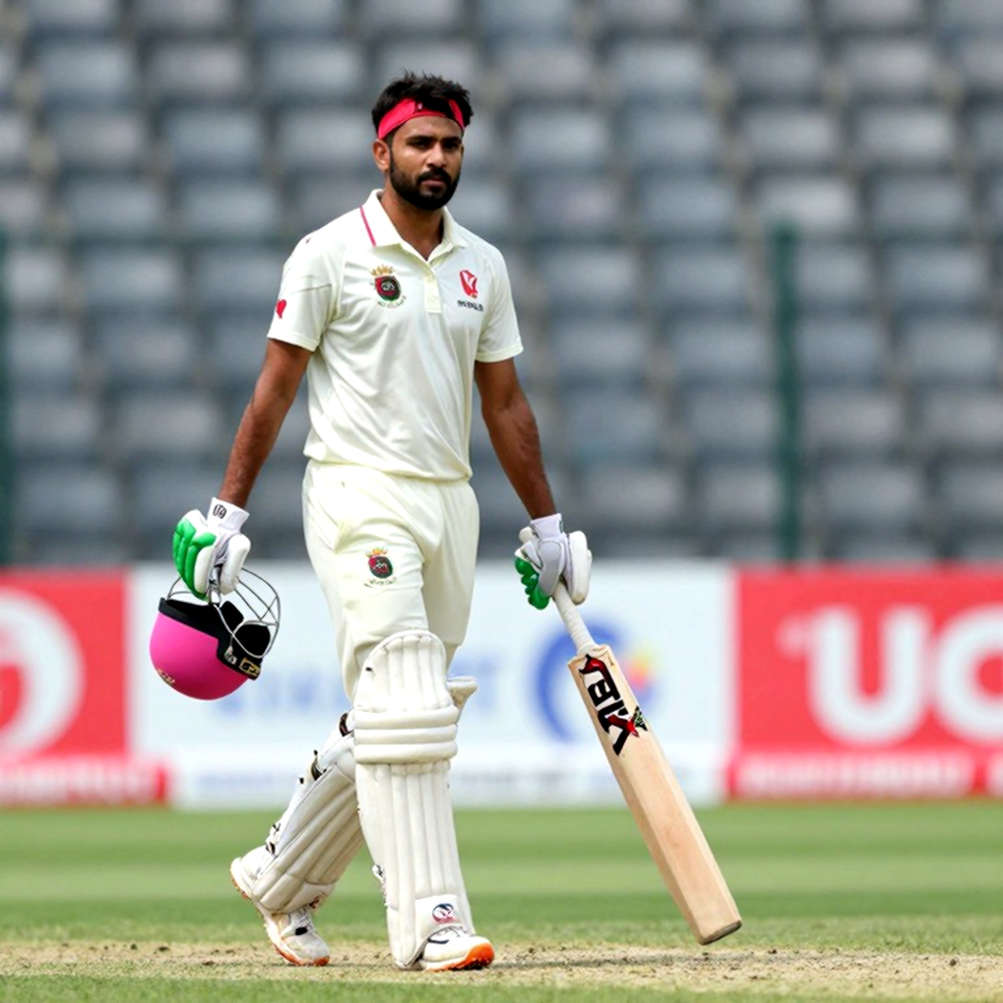
Sitting in Asian grounds year after year, I have noticed one thing: fast bowlers break not in the match but in the missing record of the match. Asia's calendar is the densest in the world — two months of the IPL, then an England tour, then a Caribbean or UAE league, then the domestic season. A 21-year-old pacer bowls across four formats, three countries and two kinds of pitch in a single calendar year. How much fuel is left in that shoulder is not written in any spreadsheet; it lives in the physio's head, and when the physio changes, that memory goes with him.
Blockchain's real cricket value is not speculation; it is memory. If an immutable ledger holds every spell, every flight, every recovery session, a selector or coach stops guessing and starts reading. When I reviewed Wigan Athletic's administration crisis in 2026, I coded every goal conceded across all 46 League One matches: Wigan conceded eighteen goals after the 75th minute — the worst in the division — and lost eight matches by a single goal. Without the ledger the story is "bad luck"; with the ledger the story is "structural collapse after minute 75." Cricket's workload debate turns on exactly the same distinction.
Imagine an Asian board deciding that every U19 and A-team pacer's overs, matches and travel go into a public, verifiable ledger. What changes? First, a clear threshold like the 900-minute baseline becomes established. Second, when a player moves between boards, the new employer gets a genuine record rather than a polished promise. Third, a teenage player's parent can see for themselves how the load compares with age-group percentiles. When I measured Lamine Yamal's Euro 2026 campaign — one goal and four assists in 507 minutes, alongside 50 Barcelona matches and 3,012 minutes in 2026-24, a 99th-percentile workload for a U17 since 2026 — and then measured Fermín López's post-Euro summer of six Olympic matches and six goals, my report noted that such double-tournament summers raise soft-tissue injury risk by roughly 23 percent. With that ledger on file, and verifiable on-chain, the decisions look different.
A ledger is only credible when its writers cannot hide their omissions. My objection to blockchain is not about the technology but about the marketing. Putting data on-chain does not force the truth out; a board that wants to hide minutes will simply write incomplete data on-chain. The archive remembers the minutes the highlight reel forgets — but someone has to write the archive first; it does not write itself.
There is an uncomfortable truth on the other side. The fan token business model converts spectators from supporters into subscribers. The spontaneous songs in the stands, which no institution wrote, get broken into paid membership tiers — silver, gold, platinum. In Asian cricket, where the noise of the crowd is the pulse of the match, the fan token turns that noise into an invoice. And in the collectibles world, the biggest names too often become tourism billboards — labels for sale rather than memories of the game.
That is where the contradiction sits. Boards use blockchain for sponsors and fan engagement while ignoring it for player welfare. The technology is identical; the intent is not. The transfer market is a museum of unverified stories and inflated labels — blockchain can either hang prettier labels in that museum or replace the museum with a real ledger. The difference depends on what a board is willing to write down.
A sample-size warning is also essential. Fan token prices and trading volumes cannot measure the health of the game; a six-week tournament spike and eleven months of durable value are not the same thing. In my 2026 Enzo Fernández file I refused to trust a Qatar sample of just 391 minutes without a caveat — and the club paid £106.8 million anyway — and treating the first six months of fan token euphoria as a permanent model strikes me as equally dangerous.
If, over the next five years, one Asian board genuinely launches a verifiable workload ledger from U19 level to the national team, youth development in cricket will change — a development curve is a dig site, not a deadline, and every layer of that dig site would finally be recorded. If no board does, blockchain will remain in cricket as a collection of elegant QR codes and inflated labels. The question is not about technology. The question is whether a board is willing to write down its own accounts.